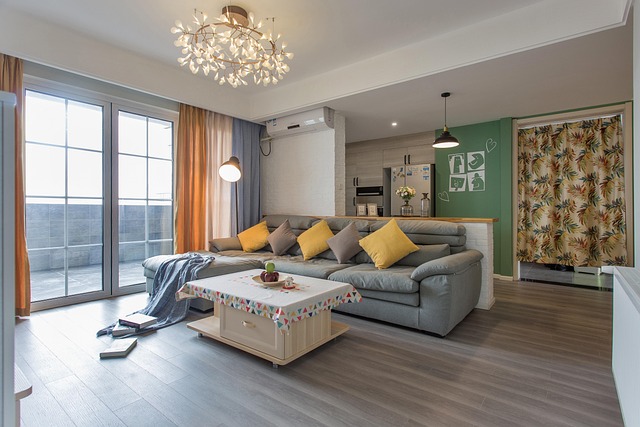
Travel is no longer defined solely by the places people visit. Today, it is increasingly shaped by the experiences travelers have, and hotels play a central role in creating those experiences. Modern travelers are no longer satisfied with a clean room and a comfortable bed alone. They want meaningful moments, emotional connections, and memorable stays that enrich their journey. This shift has given rise to a new era of hospitality: experience-driven hotels.
Experience-driven hotels focus on delivering more than accommodation. They design every detail of the guest journey to create lasting impressions, from the moment a traveler discovers the hotel online to long after checkout. These hotels understand that travelers want to feel inspired, relaxed, and connected, not just housed.
As global travel evolves, experience-driven hotels are becoming the new standard. They are redefining what it means to stay somewhere, transforming hotels into destinations in their own right. This article explores why experience-driven hotels matter, how they differ from traditional hotels, and why they represent the future of global travel.
The Shift From Functional Stays to Experiential Travel
In the past, hotels were primarily functional. Their main purpose was to provide shelter, safety, and rest. While those basics are still essential, they are no longer enough to stand out in a competitive hospitality market.
Travelers today seek experiences that tell a story. They want to feel something during their stay, whether it is comfort, excitement, curiosity, or a sense of belonging. Hotels have recognized this change and are adapting accordingly.
Experience-driven hotels focus on how guests feel rather than just what they receive. Every interaction, space, and service is carefully designed to create positive emotions. This emotional approach is what separates experience-driven hotels from traditional accommodations.
What Defines an Experience-Driven Hotel
An experience-driven hotel is built around the idea that the stay itself is part of the journey, not just a place to sleep. These hotels prioritize atmosphere, storytelling, and personalization.
Design plays a major role. Instead of generic interiors, experience-driven hotels feature unique themes, local influences, and carefully curated aesthetics. Each space has a purpose and a personality.
Service is also reimagined. Staff members are trained to anticipate needs, remember preferences, and create moments that feel personal. Guests are treated as individuals, not room numbers.
Most importantly, experience-driven hotels aim to create memories. They offer experiences that guests will talk about long after they return home.
Why Travelers Are Drawn to Experience-Driven Hotels
Modern travelers value authenticity. They want to feel connected to the destination, and experience-driven hotels help bridge that connection.
These hotels often incorporate local culture, cuisine, art, and traditions into the guest experience. Staying in such a hotel feels like an extension of exploring the destination itself.
Experience-driven hotels also provide emotional value. Travelers remember how a place made them feel more than what it looked like. A warm welcome, a thoughtfully designed room, or a unique activity can leave a deeper impression than any landmark.
For many travelers, the hotel becomes a highlight of the trip rather than just a background element.
The Role of Design in Shaping Guest Experience
Design is one of the most powerful tools in experience-driven hospitality. It influences mood, comfort, and perception.
Lighting, colors, textures, and layout all contribute to how guests feel. Soft lighting and natural materials can create a calming atmosphere, while bold colors and artistic features can inspire creativity.
Experience-driven hotels use design to tell a story. Each room, hallway, and common area reflects a specific theme or concept that aligns with the hotel’s identity.
This thoughtful approach makes guests feel immersed in an environment rather than simply occupying a space.
Personalization as a Core Element
Personalization is at the heart of experience-driven hotels. Travelers appreciate when hotels recognize their preferences and tailor services accordingly.
This can include remembering a guest’s favorite drink, offering room settings based on past stays, or suggesting activities aligned with their interests.
Technology plays an important role in enabling personalization. Many hotels use data to understand guest behavior and create more customized experiences.
However, personalization is not just about technology. It is also about human connection. Genuine interactions with staff often leave the strongest impression.
Creating Experiences Beyond the Room
Experience-driven hotels extend their focus beyond guest rooms. Common areas are designed as social and experiential spaces.
Lobbies become gathering places, not just check-in areas. Rooftop bars, lounges, gardens, and co-working spaces encourage guests to spend time within the hotel.
Many hotels offer on-site experiences such as cooking classes, wellness sessions, cultural workshops, or guided tours.
These activities add depth to the stay and provide guests with meaningful ways to engage with the destination.
The Impact of Food and Beverage Experiences
Dining is a major part of travel, and experience-driven hotels treat food as an essential component of the guest journey.
Rather than offering generic menus, they focus on unique culinary concepts that reflect local flavors and creative presentation.
Restaurants and bars within these hotels often become destinations themselves, attracting both guests and locals.
A memorable meal can shape how travelers remember their entire stay.
Wellness as an Experiential Priority
Wellness has become a key focus in modern travel. Experience-driven hotels integrate wellness into their offerings.
This includes spas, fitness facilities, meditation spaces, and wellness-focused programming.
Some hotels also design rooms with wellness in mind, featuring air purification systems, comfortable bedding, and calming color palettes.
By prioritizing well-being, hotels help guests feel refreshed and balanced.
The Role of Technology in Experience-Driven Hotels
Technology enhances convenience and personalization. Mobile check-in, smart room controls, and digital concierge services simplify the guest experience.
However, experience-driven hotels use technology to support human interaction, not replace it.
The goal is to remove friction from the stay so guests can focus on enjoying their experience.
How Experience-Driven Hotels Influence Travel Decisions
Many travelers now choose destinations based on specific hotels they want to stay in.
Social media, reviews, and travel blogs highlight unique hotel experiences, inspiring travelers to plan trips around them.
This trend shows how powerful experience-driven hotels have become in shaping travel behavior.
Experience-Driven Hotels and Brand Loyalty
Hotels that create memorable experiences build strong emotional connections with guests.
These connections lead to repeat visits and positive word-of-mouth.
Brand loyalty is no longer driven solely by rewards programs but by meaningful experiences.
The Economic Impact on Destinations
Experience-driven hotels can boost local economies.
They often collaborate with local businesses, artists, and tour operators.
This creates opportunities for community involvement and sustainable tourism.
Sustainability as Part of the Experience
Many experience-driven hotels integrate sustainability into their operations.
Eco-friendly practices, responsible sourcing, and community engagement are part of the guest experience.
Travelers increasingly value hotels that align with their values.
The Future of Global Travel
Experience-driven hotels represent the future of hospitality.
As travelers continue to seek meaningful journeys, hotels will play an even greater role in shaping those experiences.
The focus will move further toward emotional connection, personalization, and authenticity.
Conclusion
Experience-driven hotels are redefining what it means to travel.
They go beyond providing rooms and create journeys within journeys.
For modern travelers, the hotel is no longer just a place to stay. It is an essential part of the adventure.
As global travel evolves, experience-driven hotels are not just a trend. They are the new standard.