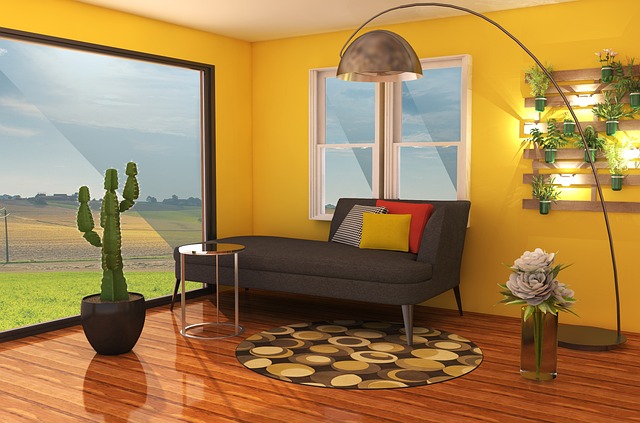
Hotel design is no longer just about creating a visually pleasing space. In today’s competitive hospitality industry, design plays a crucial role in shaping guest behavior, influencing emotions, and ultimately determining satisfaction levels. From the moment a traveler steps into a hotel lobby, every element of design communicates a message and sets expectations.
Whether it is a boutique hotel, luxury resort, or budget accommodation, thoughtful design can turn an ordinary stay into a memorable experience. Guests may not always consciously analyze design features, but they feel their impact through comfort, convenience, and emotional response.
This article explores how hotel design affects guest behavior and satisfaction, why it matters more than ever, and how hotels can use design strategically to create positive experiences that lead to loyalty and strong reviews.
The Psychology Behind Hotel Design
Human behavior is deeply influenced by the surrounding environment. Colors, lighting, layout, textures, and sounds all affect how people feel and act. In hotels, design psychology is used to encourage relaxation, productivity, social interaction, or rest, depending on the purpose of each space.
For example, soft lighting and warm color tones in guest rooms promote calmness and rest, while brighter lighting and open layouts in lobbies encourage movement and interaction. When design aligns with human psychology, guests feel more comfortable and at ease.
A well-designed environment reduces stress and decision fatigue. Guests instinctively understand where to go, how to move through the space, and what each area is intended for. This sense of clarity improves the overall experience.
First Impressions Start at the Entrance
The entrance and lobby create the first and most powerful impression of a hotel. Within seconds, guests form opinions about cleanliness, quality, and professionalism.
A spacious, well-lit lobby with clear signage and comfortable seating immediately communicates organization and care. On the other hand, cluttered layouts or confusing pathways can cause frustration before check-in even begins.
Hotels that invest in strong entrance design often see higher satisfaction scores because guests feel welcomed and valued from the start.
Layout and Flow Shape Guest Movement
Hotel layout influences how guests move and interact with the space. Clear pathways, intuitive signage, and logical room placement make navigation easy.
When guests can easily find elevators, restaurants, restrooms, and amenities, they feel more confident and relaxed. Confusing layouts lead to repeated questions, delays, and negative impressions.
Good flow design also reduces congestion during peak hours, improving comfort for both guests and staff.
Room Design and Its Impact on Comfort
The guest room is the heart of the hotel experience. Design choices here have the strongest influence on satisfaction.
Key elements that matter most include:
- Comfortable bed and mattress quality
- Effective sound insulation
- Good lighting options
- Functional furniture layout
- Temperature control
A room that feels spacious, quiet, and well-organized encourages rest and relaxation. When guests sleep well, their overall perception of the hotel improves dramatically.
Color Schemes and Emotional Response
Colors evoke emotions. Hotels carefully select color palettes to influence mood.
- Blues and greens promote calmness
- Warm neutrals create comfort
- Soft pastels feel inviting
- Bold accents add energy
Balanced color schemes help guests feel grounded and comfortable. Poor color choices can make spaces feel cold, overwhelming, or chaotic.
Lighting as a Silent Influencer
Lighting affects how spaces are perceived and how guests feel within them.
Natural light creates openness and positivity. Soft ambient lighting in rooms supports relaxation. Task lighting near desks and beds improves usability.
Hotels that offer layered lighting options allow guests to control their environment, which increases satisfaction.
Furniture Placement and Functionality
Furniture arrangement influences how guests use a space.
Clear walkways reduce accidents and frustration. Multi-functional furniture, such as desks that double as dining tables, improves convenience.
When furniture supports natural movement and daily activities, guests feel the room was designed with their needs in mind.
Bathrooms and Perception of Cleanliness
Bathrooms strongly affect guest perception of hygiene and quality.
Well-lit mirrors, clean tile lines, modern fixtures, and adequate storage all contribute to a positive impression. Even small design details, such as glass shower enclosures or hidden drains, can elevate perceived cleanliness.
Noise Control and Acoustic Design
Noise is one of the top complaints in hotels.
Good acoustic design includes:
- Soundproof walls
- Carpeted hallways
- Soft-close doors
- Thick curtains
Quiet environments allow guests to rest properly, increasing satisfaction and likelihood of return.
Public Spaces Encourage Social Behavior
Lounges, bars, and common areas influence how guests interact.
Comfortable seating clusters encourage conversation. Open layouts promote social energy. Private corners support quiet relaxation.
Designing varied seating options allows guests to choose how they want to engage with others.
Technology Integration in Design
Modern travelers expect technology to blend seamlessly into hotel design.
Examples include:
- USB charging ports
- Smart lighting controls
- Keyless entry
- High-speed Wi-Fi
When technology feels intuitive and well-integrated, guests experience convenience without frustration.
Local Design Elements Create Connection
Hotels that incorporate local culture into design feel more authentic.
Artwork, materials, and patterns inspired by the destination create a sense of place. Guests feel they are experiencing something unique rather than staying in a generic building.
Sustainability and Guest Perception
Eco-friendly design is increasingly important.
Energy-efficient lighting, water-saving fixtures, and natural materials show environmental responsibility. Many guests feel more satisfied knowing their stay supports sustainable practices.
Clean Design Supports Housekeeping Efficiency
Design that considers housekeeping workflows results in cleaner rooms and faster turnaround times.
Easy-to-clean surfaces, smart storage placement, and durable materials improve operational efficiency and guest satisfaction.
Design and Brand Identity
Consistent design reinforces brand image.
Guests associate certain colors, materials, and layouts with specific hotel brands. Strong identity builds recognition and trust.
How Design Influences Reviews and Ratings
Guests often mention design in reviews, even if indirectly.
Phrases like “felt cozy,” “modern room,” or “beautiful lobby” indicate design impact. Positive emotional language correlates with higher ratings.
Design and Length of Stay
Comfortable environments encourage longer stays.
Hotels designed for both work and relaxation appeal to remote workers and long-term guests.
Safety and Security Through Design
Good lighting, clear sightlines, and secure access points make guests feel safe.
When guests feel protected, they relax more easily.
Accessibility and Inclusive Design
Design should accommodate guests of all abilities.
Step-free access, wide doorways, and accessible bathrooms improve comfort for everyone.
Consistency Across the Property
Design consistency prevents confusion.
When rooms, hallways, and public spaces share visual harmony, guests feel a sense of order.
Emotional Memory and Design
People remember how a place made them feel more than specific details.
Great design creates emotional memories that influence future booking decisions.
How Hotels Can Improve Design Strategy
- Study guest feedback
- Analyze movement patterns
- Invest in quality materials
- Work with experienced designers
- Test lighting and layout options
Conclusion
Hotel design directly shapes guest behavior and satisfaction in powerful ways. From first impressions to emotional memories, every design choice contributes to how guests experience a stay.
Hotels that invest in thoughtful, human-centered design not only improve comfort but also increase loyalty, positive reviews, and long-term success.
In today’s experience-driven travel landscape, design is no longer optional. It is a strategic tool that defines how guests feel, behave, and remember their journey.