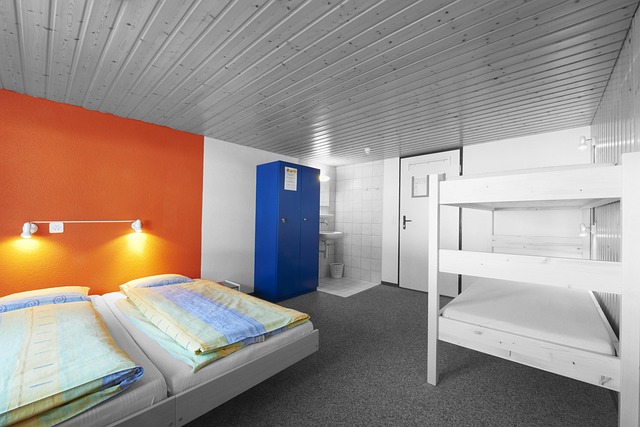
Travel is no longer just about visiting famous landmarks or ticking destinations off a bucket list. Today, travelers seek meaningful experiences, emotional connections, and memorable moments that stay with them long after the trip ends. One of the most influential factors in shaping these experiences is the hotel. The hotel experience plays a central role in determining how satisfied travelers feel about their journey as a whole.
From the moment guests check in until the time they check out, every interaction, comfort level, and detail contributes to their perception of the trip. A great hotel can elevate an average destination into an unforgettable experience, while a poor hotel stay can diminish even the most beautiful location. Understanding how hotel experience shapes overall travel satisfaction helps travelers make better choices and allows hotel operators to create stronger guest relationships.
The Hotel as the Foundation of a Travel Experience
A hotel is more than just a place to sleep. It serves as a base where travelers rest, recharge, plan their activities, and reflect on their day. When this foundation is strong, travelers feel comfortable, relaxed, and confident. When it is weak, stress and dissatisfaction can overshadow the entire trip.
Guests often spend a significant portion of their time inside or around their hotel. Morning routines, evening relaxation, and downtime between activities all take place within the hotel environment. If these moments are pleasant, travelers associate positive emotions with their journey. If they are frustrating, those negative feelings linger.
This is why hotel experience directly influences how travelers remember their trip. A comfortable and welcoming hotel creates a sense of belonging, making guests feel at home even in unfamiliar places.
First Impressions and Emotional Impact
First impressions matter greatly in travel. The moment a guest steps into a hotel lobby, they begin forming opinions. Cleanliness, lighting, scent, design, and staff attitude instantly communicate the hotel’s quality and atmosphere.
A warm greeting, a smooth check-in process, and friendly smiles set a positive tone. Guests feel valued and cared for, which increases their overall satisfaction. On the other hand, long lines, unfriendly staff, or confusing procedures create stress before the trip even truly begins.
Emotions play a huge role in travel satisfaction. Hotels that understand this focus on creating environments that evoke calm, happiness, and comfort. These emotional connections often become part of a traveler’s most cherished memories.
Comfort and Sleep Quality
One of the most critical aspects of hotel experience is comfort, especially sleep quality. Traveling can be physically demanding. Guests walk long distances, adjust to new time zones, and engage in unfamiliar activities. A comfortable bed and quiet room help travelers recover and feel energized.
Poor sleep leads to fatigue, irritability, and reduced enjoyment of activities. Even the most exciting itinerary can feel exhausting if guests are not well-rested. Conversely, a hotel that provides excellent bedding, sound insulation, and temperature control significantly improves overall travel satisfaction.
Small details such as pillow options, blackout curtains, and quality mattresses can make a major difference in how guests feel each day.
Cleanliness and Hygiene Standards
Cleanliness is a fundamental expectation for any hotel. A clean environment makes guests feel safe and comfortable. Dusty surfaces, stained linens, or unpleasant odors immediately lower trust and satisfaction.
In modern travel, hygiene standards are more important than ever. Travelers pay close attention to bathroom cleanliness, towel quality, and overall room condition. When hotels maintain high standards, guests feel confident in their choice.
Cleanliness also affects emotional comfort. A spotless room allows travelers to relax fully without worrying about health or sanitation issues.
Service Quality and Staff Interaction
Hotel staff play a major role in shaping guest experiences. Friendly, attentive, and knowledgeable employees can transform a simple stay into a memorable one. Guests appreciate staff who listen, respond quickly, and show genuine care.
Positive interactions build trust. When guests feel supported, they are more likely to enjoy their trip and handle unexpected situations calmly. For example, helpful front desk staff who offer local recommendations enhance the traveler’s exploration experience.
Even small gestures such as remembering a guest’s name or offering assistance without being asked create lasting impressions.
Hotel Design and Atmosphere
Design influences how guests feel inside a space. Colors, lighting, layout, and decor all contribute to mood. Hotels that invest in thoughtful design create environments that feel relaxing, inspiring, or energizing depending on their brand identity.
For example, a beachfront resort may use light colors and open spaces to reflect a breezy atmosphere, while a city boutique hotel may use bold designs to express creativity.
A cohesive design enhances guest satisfaction by creating a sense of harmony. Travelers enjoy staying in places that feel visually pleasing and well-organized.
Location and Accessibility
Hotel location strongly affects travel satisfaction. A conveniently located hotel saves time, reduces transportation stress, and allows travelers to maximize their experience.
Being close to attractions, public transport, restaurants, or shopping areas makes exploring easier. Travelers appreciate hotels that provide easy access to key destinations.
Even remote hotels can create high satisfaction if they clearly communicate their location benefits, such as peaceful surroundings or scenic views.
Amenities That Add Value
Amenities enhance comfort and convenience. Free Wi-Fi, breakfast, fitness centers, swimming pools, and lounges add value to a stay.
Modern travelers also look for features such as workspaces, charging stations, and smart room technology. These amenities support different travel styles, including leisure, business, and digital nomad lifestyles.
When amenities meet or exceed expectations, guests feel they are getting good value for their money, which increases satisfaction.
Personalization and Custom Experiences
Personalization is becoming a key factor in hotel experience. Guests appreciate when hotels remember their preferences, such as room type, pillow choice, or dietary needs.
Personal touches create a sense of exclusivity and care. Whether it is a welcome note, complimentary drink, or customized recommendations, these gestures make guests feel special.
Personalized experiences deepen emotional connections and encourage repeat visits.
Dining Experiences Within the Hotel
Food is an important part of travel. Hotel dining options influence how guests perceive their stay. Quality restaurants, diverse menus, and local flavors add excitement to the experience.
Convenient breakfast options help travelers start their day smoothly. Room service and on-site cafes provide comfort and flexibility.
Hotels that showcase local cuisine help guests connect with the destination’s culture.
Technology and Convenience
Technology simplifies travel. Mobile check-in, digital keys, online concierge services, and smart room controls enhance convenience.
Travelers appreciate seamless digital experiences that save time and reduce friction. Reliable Wi-Fi is especially important for communication, navigation, and entertainment.
When technology works smoothly, guests feel more in control of their trip.
Safety and Security
Feeling safe is essential for travel satisfaction. Hotels must provide secure access, well-lit areas, and professional security measures.
Guests who feel protected can relax and enjoy their trip fully. Clear safety protocols and responsive staff increase confidence.
Safety also includes health measures, emergency preparedness, and transparent communication.
Value for Money Perception
Travelers evaluate whether their hotel experience matches the price they paid. Value for money does not always mean low cost. It means receiving quality, comfort, and service that justify the expense.
When guests feel they received good value, satisfaction increases. Hidden fees or misleading descriptions, however, lead to disappointment.
Honest marketing and consistent service build trust.
Impact on Travel Memories
Many travel memories are formed inside hotels. Conversations in the lobby, views from the balcony, relaxing baths, and late-night room service all become part of the story.
Hotels that create positive emotional experiences become associated with happiness and comfort. These memories influence how travelers talk about their trip and whether they recommend the hotel to others.
Repeat Visits and Brand Loyalty
A great hotel experience encourages repeat visits. Travelers often return to hotels where they felt comfortable and appreciated.
Brand loyalty benefits both guests and hotels. Guests enjoy consistent quality, while hotels build long-term relationships.
Loyalty programs, personalized offers, and consistent service strengthen this connection.
The Role of Reviews and Online Reputation
Online reviews heavily influence travel decisions. Travelers trust the experiences of other guests.
Hotels with positive reviews attract more bookings. Negative reviews can deter potential guests.
Delivering excellent experiences leads to positive feedback, which reinforces satisfaction for future travelers.
How Travelers Can Choose the Right Hotel
To maximize travel satisfaction, travelers should research hotels carefully. Reading reviews, checking photos, and comparing amenities help set realistic expectations.
Travelers should consider their priorities, such as location, comfort, or unique experiences.
Choosing a hotel that aligns with personal preferences increases the chance of a satisfying trip.
How Hotels Can Improve Guest Satisfaction
Hotels should focus on continuous improvement. Training staff, maintaining facilities, and listening to guest feedback are essential.
Investing in comfort, cleanliness, and personalization creates stronger guest relationships.
Hotels that adapt to changing traveler needs remain competitive.
Conclusion
The hotel experience is a powerful factor in shaping overall travel satisfaction. It influences emotions, comfort, convenience, and memories. A great hotel enhances every aspect of a trip, while a poor one can overshadow even the best destinations.
For travelers, choosing the right hotel is one of the most important decisions in trip planning. For hotels, delivering exceptional experiences is the key to success.
Ultimately, memorable journeys are built not only on where travelers go, but also on where they stay.