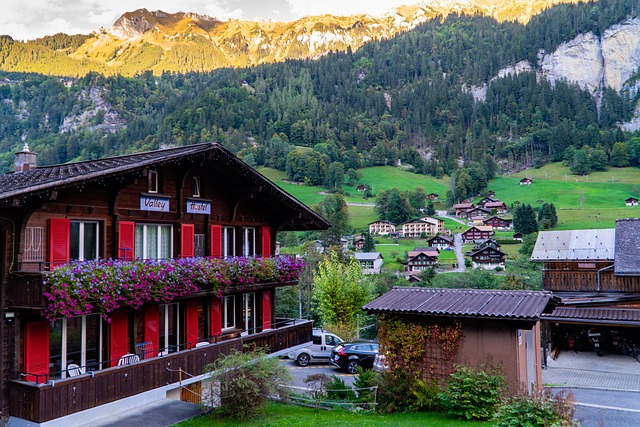
Travel today is no longer just about visiting famous landmarks or ticking destinations off a bucket list. Modern travelers seek experiences that feel personal, memorable, and emotionally fulfilling. While destinations play a major role in shaping a journey, accommodation has become one of the most influential factors in determining how meaningful a travel experience truly becomes. From small boutique hotels to luxury resorts and cozy homestays, where travelers stay directly affects how they feel, what they remember, and how they connect with a place.
The role of accommodation in creating meaningful travel experiences goes far beyond providing a bed for the night. Hotels and other lodging options now shape mood, comfort, convenience, cultural exposure, and even personal growth. The right accommodation can transform an ordinary trip into a deeply satisfying journey filled with lasting memories.
Why Accommodation Matters More Than Ever in Modern Travel
In the past, travelers often viewed hotels simply as functional spaces. A clean room, a safe environment, and a convenient location were enough. Today, expectations have evolved. Travelers want spaces that reflect their values, lifestyle, and desire for authenticity.
Accommodation now serves as a foundation for the entire travel experience. A well-chosen place to stay can:
- Enhance comfort and relaxation
- Encourage cultural immersion
- Support personal interests and activities
- Create emotional connections
- Influence overall satisfaction with the trip
Because travelers spend a significant portion of their time in or around their accommodation, its impact naturally extends to how they perceive the destination itself.
Comfort as the Cornerstone of Meaningful Travel
Physical comfort plays a crucial role in shaping positive travel experiences. Comfortable beds, quiet rooms, clean facilities, and thoughtful amenities help travelers recharge after long days of exploration.
When travelers feel well-rested and physically comfortable, they are more likely to:
- Maintain a positive mood
- Engage actively with local attractions
- Enjoy social interactions
- Handle unexpected challenges with ease
On the other hand, poor accommodation choices can lead to fatigue, frustration, and stress, overshadowing even the most beautiful destinations.
Emotional Impact of a Well-Designed Space
Design is more than aesthetics. The layout, lighting, colors, textures, and overall atmosphere of an accommodation shape how guests feel from the moment they arrive.
Warm lighting, natural materials, soothing colors, and thoughtful décor can create a sense of calm and belonging. These subtle elements influence emotional well-being and help travelers feel connected to their surroundings.
Many meaningful travel moments happen within accommodation spaces:
- Quiet mornings with a cup of coffee
- Evenings reflecting on the day’s adventures
- Conversations with travel companions
- Personal journaling or creative inspiration
When a place feels inviting and comfortable, these moments become more memorable and emotionally significant.
Accommodation as a Gateway to Local Culture
Staying in accommodations that reflect local culture allows travelers to experience destinations beyond surface-level tourism.
Examples include:
- Traditional architecture and interior design
- Locally sourced furniture and décor
- Regional cuisine served on-site
- Staff who share cultural insights
These elements introduce travelers to the character of a place in subtle yet powerful ways. Cultural immersion becomes part of daily life rather than a scheduled activity.
Meaningful travel often comes from these everyday encounters, not just famous landmarks.
Personalized Service Creates Deeper Connections
One of the most powerful ways accommodation shapes meaningful experiences is through personalized service.
When staff remember guest preferences, offer thoughtful recommendations, and show genuine care, travelers feel seen and valued. This emotional connection builds trust and comfort.
Small gestures can make a big difference:
- Greeting guests by name
- Customizing room arrangements
- Providing tailored activity suggestions
- Celebrating special occasions
These personal touches often become cherished memories long after the trip ends.
The Importance of Location in Experience Building
Where an accommodation is situated directly influences how travelers interact with a destination.
Central locations provide easy access to attractions, restaurants, and cultural sites. Remote locations offer tranquility, natural beauty, and opportunities for reflection.
Both options can create meaningful experiences depending on traveler preferences.
- City-center hotels encourage spontaneous exploration
- Beachfront resorts support relaxation and mindfulness
- Mountain lodges foster connection with nature
- Rural homestays offer authentic community engagement
The right location aligns with a traveler’s purpose, enhancing the emotional value of the journey.
Accommodation Shapes Daily Travel Rhythm
A traveler’s daily routine often revolves around their place of stay. Breakfast hours, transportation access, relaxation spaces, and on-site facilities influence how each day unfolds.
Well-designed accommodations support balanced travel by offering:
- Flexible dining options
- Comfortable common areas
- Wellness facilities
- Quiet spaces for rest
This balance between activity and rest helps travelers maintain energy and appreciation for their experiences.
Creating Safe and Stress-Free Environments
Safety is a fundamental component of meaningful travel. When travelers feel secure, they can fully immerse themselves in their surroundings.
Quality accommodations prioritize:
- Secure entrances
- Well-lit areas
- Reliable staff availability
- Clear communication
Feeling safe reduces mental strain and allows travelers to focus on enjoyment rather than worry.
Supporting Different Travel Purposes
Travelers have diverse motivations, and accommodation plays a key role in supporting these goals.
Examples include:
- Business travelers needing productivity-focused spaces
- Couples seeking romantic atmospheres
- Families requiring child-friendly facilities
- Solo travelers desiring social environments
When accommodation aligns with purpose, experiences feel more relevant and fulfilling.
Social Interaction and Community Building
Many accommodations now design spaces to encourage interaction.
- Shared lounges
- Communal dining areas
- Group activities
- Workshops and events
These spaces create opportunities to meet fellow travelers and locals, often leading to friendships and shared experiences.
Human connection is one of the most meaningful aspects of travel, and accommodation can serve as the catalyst.
Sustainability and Meaningful Choices
More travelers seek accommodations that align with their environmental and ethical values.
Sustainable practices include:
- Energy efficiency
- Waste reduction
- Local sourcing
- Community support
Staying in eco-conscious accommodations allows travelers to feel that their journey contributes positively to the world.
Memory Formation and Emotional Anchors
Human memory is closely tied to emotion. Accommodation often becomes an emotional anchor for travel memories.
Travelers remember:
- The view from their window
- The comfort of the bed
- The smell of the lobby
- The sound of morning activity
These sensory details form powerful mental images associated with the trip.
Technology and Convenience in Modern Accommodation
Technology enhances meaningful travel by reducing friction.
- Mobile check-in
- Smart room controls
- High-speed internet
- Digital concierge services
When basic needs are met effortlessly, travelers can focus more on experiences rather than logistics.
Accommodation as Part of the Destination
Some accommodations are attractions in themselves.
Unique architecture, historical significance, or immersive themes turn hotels into destinations.
Staying in such places becomes a highlight rather than just a necessity.
Consistency Builds Trust and Satisfaction
Consistency in service, cleanliness, and quality builds traveler confidence.
When expectations are met or exceeded, satisfaction increases and stress decreases.
This reliability contributes to positive emotional experiences.
Long-Term Impact on Travel Preferences
Positive accommodation experiences shape future travel decisions.
Travelers often:
- Return to the same hotel
- Seek similar accommodation styles
- Recommend places to others
These behaviors demonstrate how deeply accommodation influences overall travel perception.
Choosing Accommodation That Creates Meaning
To maximize meaningful travel experiences, travelers should consider:
- Personal travel goals
- Preferred atmosphere
- Location relevance
- Guest reviews
- Values alignment
Thoughtful selection leads to deeper satisfaction.
The Future of Meaningful Accommodation
The hospitality industry continues to evolve toward experience-centered models.
Future accommodations will focus on:
- Personalization
- Wellness integration
- Community engagement
- Sustainability
- Emotional design
These trends will further strengthen the role of accommodation in shaping meaningful travel.
Conclusion
The role of accommodation in creating meaningful travel experiences cannot be overstated. Where travelers stay shapes their comfort, emotions, connections, and memories. Accommodation is no longer just a place to sleep; it is an essential part of the journey itself.
By choosing accommodation thoughtfully, travelers open the door to deeper cultural understanding, emotional fulfillment, and lasting memories. In the end, meaningful travel is not only about where you go, but also about where you feel at home along the way.