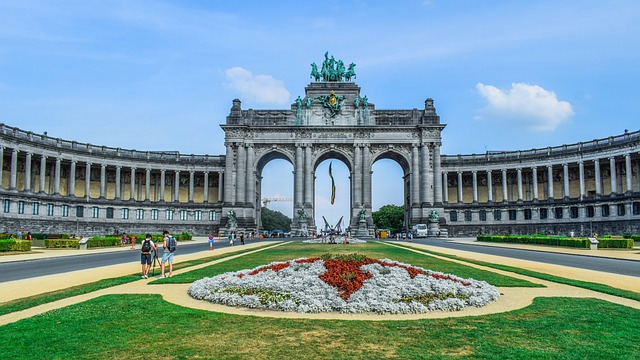
Travel is no longer just about moving from one place to another. For modern travelers, a journey is defined by the emotions, memories, and personal meaning created along the way. One of the most powerful elements shaping these experiences is the hotel. Today, travelers increasingly value experience-focused hotels—properties designed not only to provide a place to sleep, but to become an essential part of the journey itself.
From immersive design to personalized service, experience-focused hotels are changing what travelers expect from accommodation. This shift reflects a deeper transformation in how people view travel: not as a checklist of destinations, but as a collection of meaningful moments. In this article, we explore why travelers are drawn to experience-focused hotels, how these hotels differ from traditional lodging, and why they are becoming the preferred choice for travelers worldwide.
The Evolution of Traveler Expectations
In the past, most travelers looked for hotels based on basic criteria: cleanliness, price, location, and availability. While these factors remain important, they are no longer enough. Today’s travelers want more than functionality. They want hotels that make them feel inspired, welcomed, and emotionally connected.
The rise of social media, remote work, and lifestyle-driven travel has reshaped expectations. Travelers now seek places that reflect their identity and values. They want hotels that feel authentic, creative, and aligned with their personal style. Experience-focused hotels respond to this demand by designing spaces and services that engage guests on a deeper level.
What Are Experience-Focused Hotels?
Experience-focused hotels prioritize the overall guest journey rather than just the physical room. Every detail, from architecture and interior design to staff interaction and local integration, is carefully curated to create memorable experiences.
These hotels often feature unique themes, storytelling elements, local cultural influences, and interactive spaces. Instead of standardized layouts, they offer distinctive environments that feel personal and meaningful. The goal is not simply to host guests, but to immerse them in an experience that enhances their entire trip.
Emotional Connection Drives Loyalty
One major reason travelers value experience-focused hotels is emotional connection. When a hotel makes a guest feel understood and appreciated, it leaves a lasting impression. Emotional experiences are remembered far longer than functional ones.
Travelers who feel a personal connection to a hotel are more likely to return, recommend it to others, and share their experience online. This emotional bond transforms a hotel from a temporary stop into a cherished part of the journey.
Personalization Creates Meaningful Stays
Experience-focused hotels excel at personalization. They use guest preferences, behavior, and feedback to tailor services. Simple touches—such as remembering a guest’s favorite drink, offering customized room settings, or suggesting local experiences based on interests—make guests feel special.
Personalization shows travelers that they are not just room numbers, but individuals. This sense of recognition increases satisfaction and strengthens emotional attachment to the hotel.
Design That Tells a Story
Design plays a central role in experience-focused hotels. Instead of generic interiors, these hotels use design to tell a story. Every color, texture, and layout choice supports a specific atmosphere.
Some hotels highlight local heritage through traditional materials and craftsmanship. Others embrace modern art, nature-inspired themes, or minimalist aesthetics. The result is a visual identity that enhances the guest experience and creates a sense of place.
Local Culture as Part of the Experience
Travelers increasingly want to feel connected to the destination. Experience-focused hotels integrate local culture into their offerings through food, music, decor, and activities.
Guests might enjoy locally sourced cuisine, attend cultural workshops, or explore neighborhoods with recommendations from knowledgeable staff. This connection to local life adds depth and authenticity to the stay.
Social Spaces That Encourage Interaction
Modern travelers often value social connection. Experience-focused hotels design communal areas that encourage interaction, such as lounges, co-working spaces, rooftop bars, and shared kitchens.
These spaces allow guests to meet other travelers, exchange stories, and form friendships. The hotel becomes a social hub rather than just a private retreat.
Wellness and Mindful Living
Wellness has become a key priority in travel. Experience-focused hotels address this through yoga classes, meditation rooms, spa treatments, healthy dining options, and quiet relaxation spaces.
By supporting physical and mental well-being, these hotels help guests return home feeling refreshed rather than exhausted.
Technology That Enhances, Not Replaces, Human Touch
Experience-focused hotels use technology to improve convenience while maintaining human connection. Mobile check-in, smart room controls, and digital concierge services simplify the guest journey.
However, technology is balanced with warm, attentive service. The goal is to remove friction while preserving meaningful human interaction.
Unique Experiences Create Shareable Moments
Travelers love sharing experiences online. Experience-focused hotels provide visually appealing spaces and memorable moments that guests want to photograph and post.
These organic shares act as powerful marketing, while also giving guests a sense of pride in discovering something special.
Value Beyond Price
While experience-focused hotels may cost more than budget options, travelers often see them as better value. The memories, comfort, and emotional satisfaction gained outweigh the price difference.
Guests are willing to pay for experiences that feel meaningful and enriching.
Supporting Sustainable Travel
Many experience-focused hotels emphasize sustainability. They use eco-friendly materials, reduce waste, support local businesses, and promote responsible tourism.
Travelers who care about environmental and social impact prefer hotels that align with their values.
Perfect for Both Leisure and Business Travelers
Experience-focused hotels appeal to a wide range of travelers. Leisure travelers enjoy the immersive atmosphere, while business travelers appreciate comfortable workspaces, reliable technology, and stress-reducing environments.
This versatility makes experience-focused hotels attractive to diverse audiences.
Memories That Last Longer Than Souvenirs
Souvenirs fade, but experiences remain. Travelers value hotels that contribute to unforgettable moments, whether it is a sunrise view, a friendly conversation with staff, or a beautifully designed room.
These memories become part of the traveler’s personal story.
The Future of Hospitality
The hospitality industry is moving toward experience-centered models. Hotels are becoming destinations in their own right, offering curated activities, cultural programs, and immersive environments.
As competition increases, hotels that focus on experiences will stand out.
How Travelers Can Choose the Right Experience-Focused Hotel
- Read guest reviews about atmosphere and service
- Look for unique design and local influence
- Check available experiences and activities
- Evaluate wellness and social spaces
- Consider the hotel’s sustainability practices
Conclusion
Travelers value experience-focused hotels because they offer more than accommodation. They provide emotional connection, personalization, cultural immersion, and meaningful moments. These hotels transform ordinary trips into unforgettable journeys.
As travel continues to evolve, experience-focused hotels will shape the future of hospitality. For travelers seeking deeper, richer, and more fulfilling experiences, choosing the right hotel is no longer optional—it is essential.